Getting a Texas License to Carry in Dallas
Texas stopped requiring a license to carry a handgun in 2021, yet thousands of people in Dallas, Collin, Denton and Tarrant counties still apply for one every year. The reasons are practical: travel, faster purchases, and legal defenses in a few places where unlicensed carry is not allowed. This guide explains the process step by step for someone living in the Dallas area, using the Texas Department of Public Safety as the only issuing agency. Fees and forms change, so confirm the details on the DPS handgun licensing pages before you pay anything.
Why get an LTC when carry is permitless
- Reciprocity. Many other states recognize the Texas LTC. Without it, your Texas right to carry stops at the Red River or the Louisiana line.
- Faster dealer purchases. ATF lists the Texas LTC as a qualifying permit, so showing a valid one at a dealer normally replaces the NICS call and shortens your wait.
- Campus and property rules. License holders have specific rights on college campuses and certain defenses in places listed in Penal Code 46.03 that unlicensed carriers do not share.
- Proof of training. The class covers use of force law, safe storage and nonviolent conflict resolution, which many new owners find worth the time.
Who is eligible
In general you must be at least 21, or at least 18 if you are serving in the military or were honorably discharged. You must be legally able to possess a firearm under state and federal law and meet the other standards in Texas Government Code chapter 411, which cover criminal history, protective orders, delinquent taxes or child support in some cases, and certain mental health findings. A Texas resident applies through DPS; non-residents can apply too, but the steps differ. If your record includes any arrest or conviction beyond a minor traffic ticket, read the DPS eligibility page closely before you take the class.
Step 1: Apply online with DPS
The application runs through the DPS Texas.gov handgun licensing system. You create an account, answer the eligibility questions, and pay the fee online. At the end you will be told to schedule fingerprinting. Keep your confirmation and the forms you receive, since you will need them later in the process.
Step 2: Fingerprints
Texas uses a state fingerprint vendor with enrollment sites across the state, including many in Dallas County and the surrounding suburbs. You book an appointment through the vendor using the service code DPS gives you. The appointment itself is short. Bring the identification the vendor asks for, and your prints are sent electronically to DPS and the FBI.
Step 3: The LTC class
The training must be given by a DPS-certified LTC instructor. It has two parts:
- Classroom. Between four and six hours covering use of force and deadly force law, handgun laws, where you may not carry, safe storage around children, and conflict resolution. It ends with a written exam. DPS allows part of this to be done online through approved providers, with the range portion done in person.
- Range proficiency. You shoot a set course of fire at several distances with your own handgun, scored on a standard target. Most people who can handle a pistol safely pass without trouble.
Across Dallas-Fort Worth you will find many certified instructors at indoor ranges and training businesses. Ask what the course fee includes, whether you need to bring ammunition, and how the instructor handles the range test. After you pass, the instructor issues a certificate of training, which you upload or send to DPS.
Step 4: Wait for DPS review
With the application, fees, fingerprints and certificate in hand, DPS begins its background review. DPS has said it works to issue licenses within 60 days of receiving a complete packet, though some applications take longer, especially if something in your record needs a closer look. You can check your status online. When approved, the plastic license comes by mail.
What it costs
The standard DPS fee for an original license has been $40 in recent years, and the renewal fee is also low. DPS publishes reduced or waived fees for some groups, including many veterans, active duty military, certain peace officers and some applicants over 60 or with lower incomes. Check the current DPS fee schedule before you apply, since it lists every category.
On top of the DPS fee you will pay the fingerprint vendor and the instructor. Class prices around Dallas vary widely depending on whether the range fee and ammunition are included. Budget for the handgun you plan to carry, a sturdy holster and practice ammunition as well. You can find all three in our online shop.
Renewal
A Texas LTC is not permanent. DPS sends a renewal notice before it expires, and in most cases renewal can be done online. Texas dropped the renewal class requirement several years ago, though you may be asked to watch or review a short course. If you move within Texas, you need to update your address with DPS, since your license must show your current address.
Carrying with an LTC in Dallas
When you carry with a license, the places covered in our Dallas gun laws guide still apply. Watch for 30.06 and 30.07 signs at offices, restaurants and venues, and learn which parts of 46.03 give license holders a defense. If a police officer asks for your ID while you are carrying, Texas law requires a license holder to show both their ID and their handgun license. Staying calm and following the officer's instructions keeps these stops short.
Choosing a carry handgun
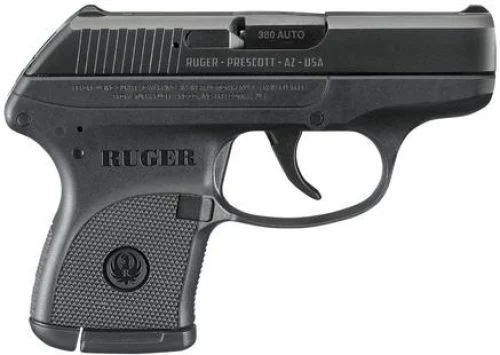
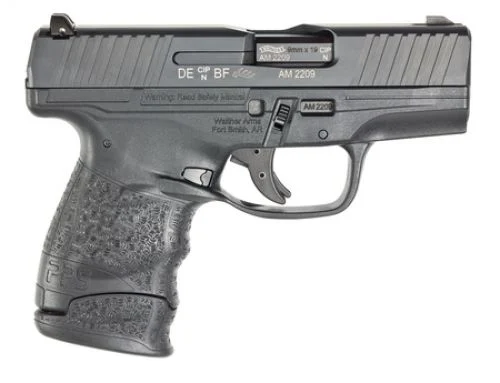
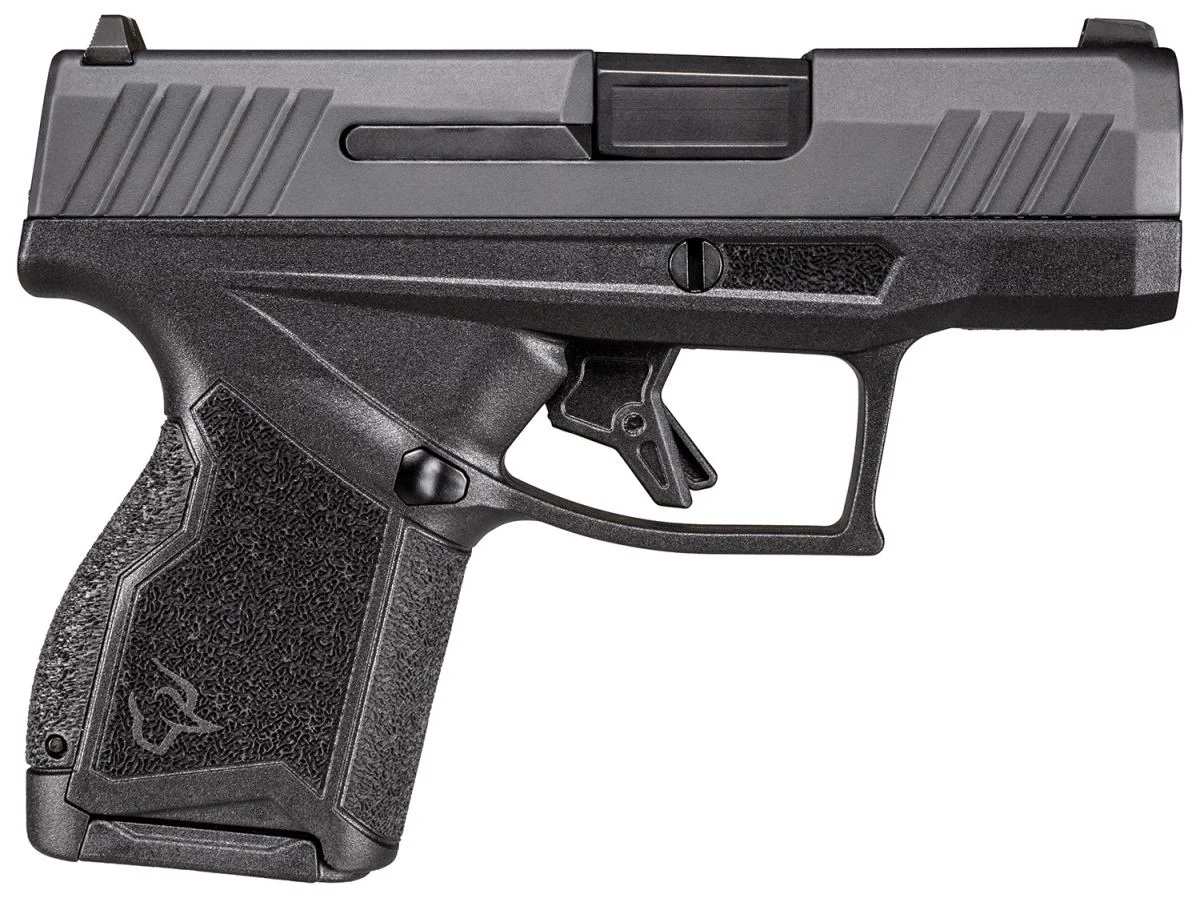
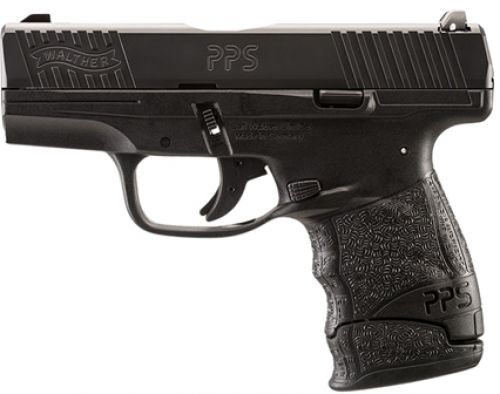
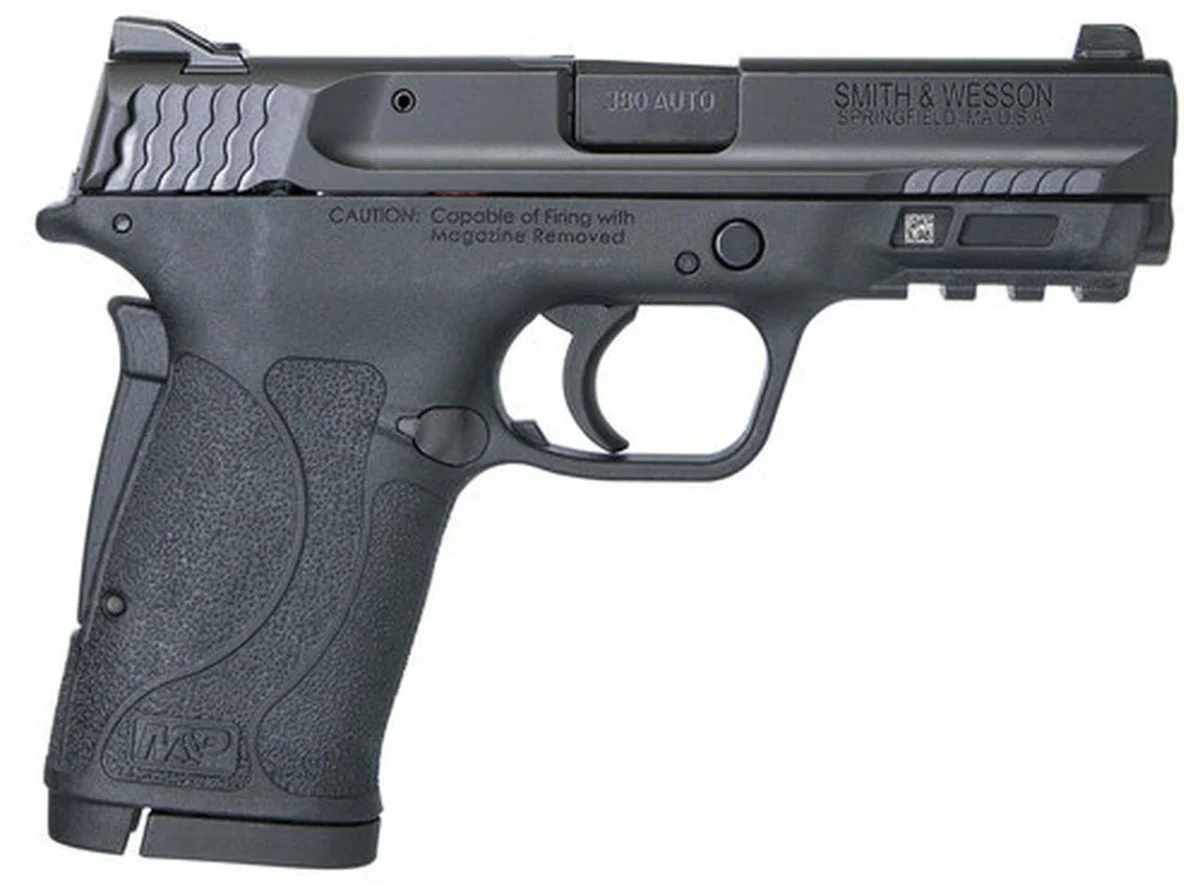
For most people a compact or mid-size 9mm is the easiest carry pistol to shoot well and conceal under Texas summer clothing. Some prefer a micro-compact for pocket carry or a full-size pistol for open carry in a holster. Whatever you choose, practice with the same holster and belt you plan to wear. Handguns bought online ship to a local dealer; our guide on buying a gun online in Dallas explains the pickup. Local notes for your town are on our North Texas city pages.
Out-of-state travel
Before you drive from Dallas to Oklahoma, Arkansas or Louisiana, or fly anywhere with a handgun, check the current reciprocity list on the DPS site and the laws of each state you will enter. Reciprocity changes over time, and some states that honor the Texas license have different rules on where carry is allowed and on magazine limits.
Quick checklist
- Confirm you meet the age and eligibility rules in Government Code chapter 411.
- Apply and pay online through DPS.
- Book and complete fingerprints with the state vendor.
- Pass the classroom portion, written test and range test with a certified instructor.
- Submit your certificate of training, then track your application until the license arrives.
This summary reflects DPS practice as we understood it in September 2026. The DPS handgun licensing section is the final word on forms, fees and timing.
General information, not legal advice. Current as of September 2026. Laws change; check the official source before you act.